
Dynamic Website design
In today’s fast-paced digital world, a website is more than just an online presence — it’s a platform that shapes user experiences, builds trust, and drives business growth. While static websites have their place, dynamic website design has become the gold standard for businesses that want to offer real-time content, interactivity, and a personalized experience.
In this blog post, we’ll dive into what dynamic website design is, its key features, advantages, and why it’s essential for modern businesses.
What is a Dynamic Website?
A dynamic website is a site that displays different content and allows user interaction by accessing information from a database in real-time. Unlike static websites where every page is coded manually and stays the same unless changed manually, dynamic websites generate content dynamically — meaning the same page can look different to different users.
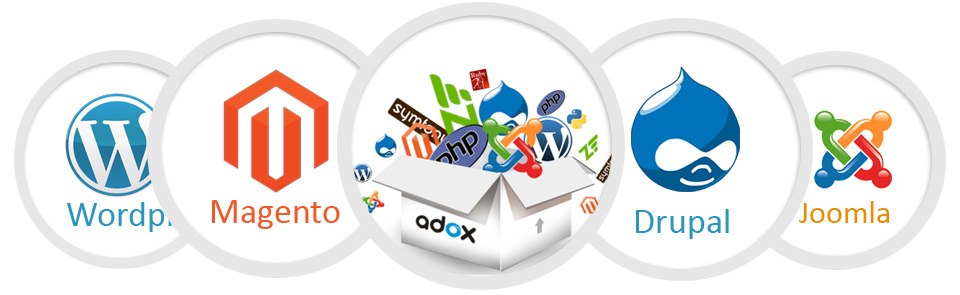
Dynamic websites are typically built using server-side languages like PHP, ASP.NET, Python (Django), or frameworks like Node.js. They often integrate with content management systems (CMS) like WordPress, Joomla, or Drupal.
Key Features of Dynamic Website Design
-
Content Management System (CMS)
Easily update and manage content without needing technical knowledge. -
User Interaction
Visitors can log in, post comments, fill out forms, search for content, and more. -
Database Integration
Real-time content is pulled from a database, allowing changes without editing the actual code. -
Custom User Experience
Pages adapt based on user preferences, behavior, or account information. -
Mobile Responsiveness
Dynamic sites are often designed with responsive frameworks for seamless use across all devices.
Benefits of a Dynamic Website
1. Easy Content Updates
With a CMS, website administrators can add, remove, or edit content quickly without touching a line of code.
2. Scalability
Dynamic websites are scalable, making it easy to expand your site with more pages, services, or e-commerce features.
3. User Personalization
You can offer tailored experiences to users by displaying content based on user profiles, history, or preferences.
4. Advanced Functionality
Dynamic websites allow for complex features such as e-commerce systems, forums, booking engines, and membership portals.
5. Better SEO Performance
Fresh and regularly updated content improves your website’s chances of ranking well in search engines.
Dynamic Website vs. Static Website: What’s the Difference?
| Feature | Static Website | Dynamic Website |
|---|---|---|
| Content Update | Manual (code-based) | Via CMS or database |
| Interactivity | Limited | High |
| Maintenance | Time-consuming | Easier with CMS |
| Customization | One-size-fits-all | Personalized content |
| Best For | Small websites, portfolios | Business sites, e-commerce, blogs |
When Should You Choose a Dynamic Website?
Choose a dynamic website if:
-
You need to update content frequently.
-
Your site requires user login or interaction.
-
You’re running a blog, news portal, or e-commerce platform.
-
You plan to scale your website in the future.
Popular Technologies Used in Dynamic Web Design
-
Front-end: HTML5, CSS3, JavaScript, React, Vue.js
-
Back-end: PHP, Node.js, Python, Ruby on Rails
-
Databases: MySQL, MongoDB, PostgreSQL
-
CMS Platforms: WordPress, Joomla, Drupal
Final Thoughts
A dynamic website design is essential for businesses and creators who want a flexible, interactive, and scalable digital platform. It helps enhance user engagement, streamline content management, and improve SEO — all of which are critical for staying competitive in the digital age.
Whether you’re a startup, blogger, retailer, or enterprise, investing in a professionally built dynamic website can pay off in the long run by keeping your audience engaged and your content fresh.
FAQs
Yes, with proper planning and development, a static website can be upgraded to a dynamic site using a CMS or web framework.
Generally, yes — dynamic sites are more complex and may require more development time, but the flexibility and features they offer are worth the investment.
When properly built and maintained, dynamic websites can be very secure. Regular updates and using secure frameworks help prevent vulnerabilities.
No, a CMS is not strictly necessary, but it simplifies the process of managing content. Developers can also build custom back-end systems for specific business needs.
Yes, most dynamic websites are designed to be responsive and adapt to all screen sizes. Responsive design is a standard practice in modern dynamic web development.
