
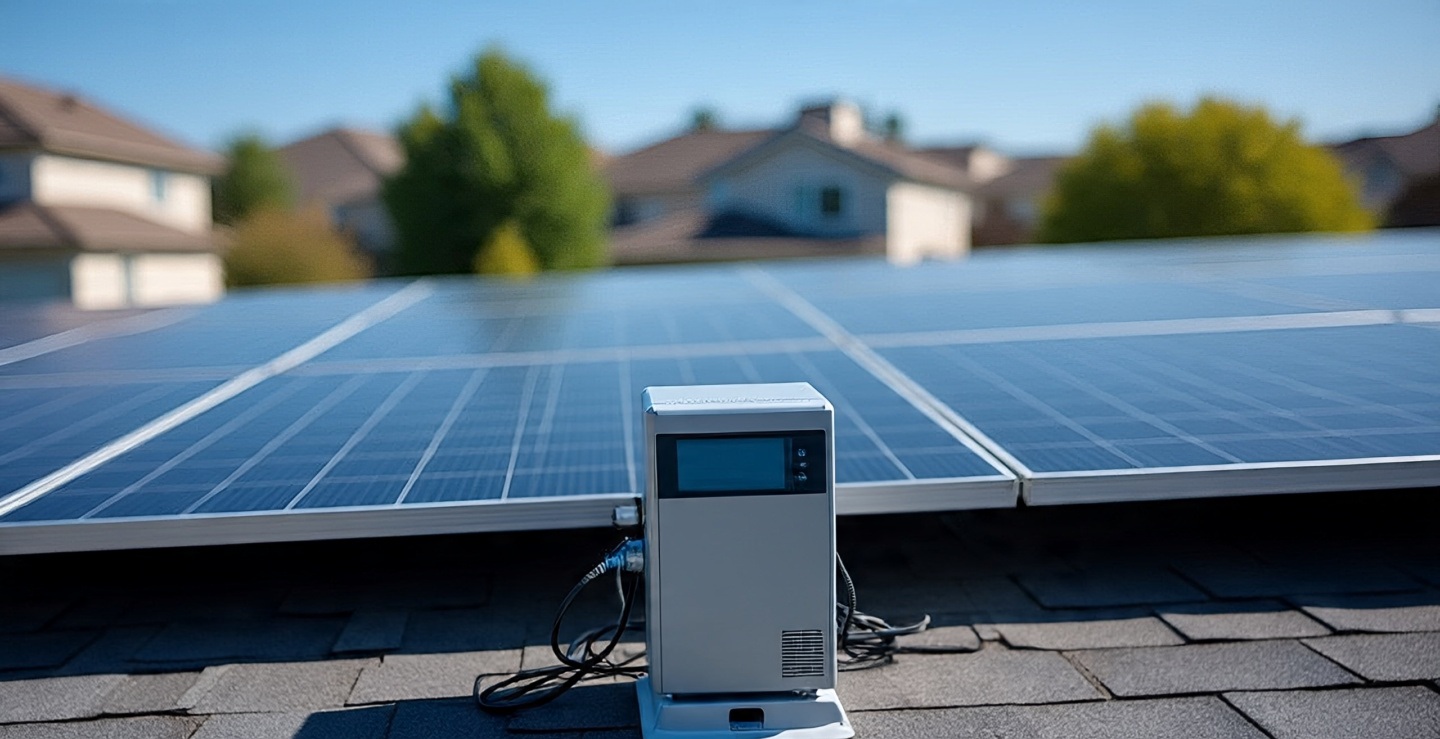
Top 10 Solar Inverter Companies in India
With the rising demand for renewable energy, solar inverters have become a crucial component of solar power systems across India. Whether you’re planning to install a solar panel system for your home, business, or industry, understanding the different types of solar inverters and choosing a trusted brand is essential for efficiency and long-term performance.
🌞 What is a Solar Inverter?
A solar inverter converts the direct current (DC) electricity produced by solar panels into alternating current (AC) electricity that can be used to power appliances, machinery, or be fed into the power grid.
🔌 Types of Solar Inverters
There are primarily four types of solar inverters used in residential and commercial applications:
1. String Inverter
-
Usage: Common in residential and small commercial setups.
-
Working: Connects multiple solar panels in series, forming a “string.”
-
Pros: Cost-effective, easy maintenance.
-
Cons: One panel underperforming can affect the entire string.
2. Micro Inverter
-
Usage: Best for rooftops with shading or different orientations.
-
Working: One inverter per solar panel.
-
Pros: Optimized performance for each panel.
-
Cons: Higher cost, complex installation.
3. Central Inverter
-
Usage: Used in large-scale solar farms or industrial plants.
-
Working: Combines energy from multiple strings into a single inverter.
-
Pros: High efficiency for large systems.
-
Cons: Not suitable for small applications.
4. Hybrid Inverter
-
Usage: Residential or commercial users with battery backup.
-
Working: Manages solar input, grid supply, and battery charging/discharging.
-
Pros: Seamless switching during power cuts.
-
Cons: More expensive than basic inverters.
⚙️ How to Use a Solar Inverter
Using a solar inverter is generally straightforward once installed by a certified technician:
-
Installation: Ensure proper placement near solar panels, away from direct sunlight and water exposure.
-
Wiring: Connect solar panel output cables to the inverter and then to the battery or grid.
-
Monitoring: Most modern inverters offer mobile apps or web portals for performance tracking.
-
Maintenance: Regular cleaning of panels, checking inverter displays, and annual servicing are key.
🏆 Top 10 Solar Inverter Companies in India (2025)
Here’s a list of the leading solar inverter manufacturers and suppliers in India:
| Rank | Company Name | Website | Location |
|---|---|---|---|
| 1 | Sungrow Power Supply Co. | www.in.sungrowpower.com | PAN India |
| 2 | SMA Solar Technology | www.sma-india.com | Pune, Maharashtra |
| 3 | Delta Electronics India | www.deltaelectronicsindia.com | Gurgaon, Haryana |
| 4 | Fronius India Pvt. Ltd. | www.fronius.com | Pune, Maharashtra |
| 5 | GoodWe Solar Inverters | www.goodwe.com | PAN India |
| 6 | Luminous Power Technologies | www.luminousindia.com | New Delhi |
| 7 | Microtek International Pvt. Ltd. | www.microtekdirect.com | New Delhi |
| 8 | Growatt New Energy | www.growatt.com | PAN India |
| 9 | Waaree Energies Ltd. | www.waaree.com | Mumbai, Maharashtra |
| 10 | Tata Power Solar | www.tatapowersolar.com | Bengaluru, Karnataka |
✅ Final Thoughts
Solar inverters are the heart of any solar energy system. Choosing the right type based on your energy needs and picking a reliable brand can make a significant difference in efficiency, performance, and returns on investment.
As India continues its push toward green energy, investing in a quality solar inverter is a step toward a sustainable and cost-effective future.
FAQs
Hybrid or string inverters are ideal for homes, depending on whether you use battery backup.
Typically, 10–15 years with proper maintenance.
Yes, but then it acts as a regular power inverter without solar benefits.
No, basic maintenance is usually affordable and done annually.
