
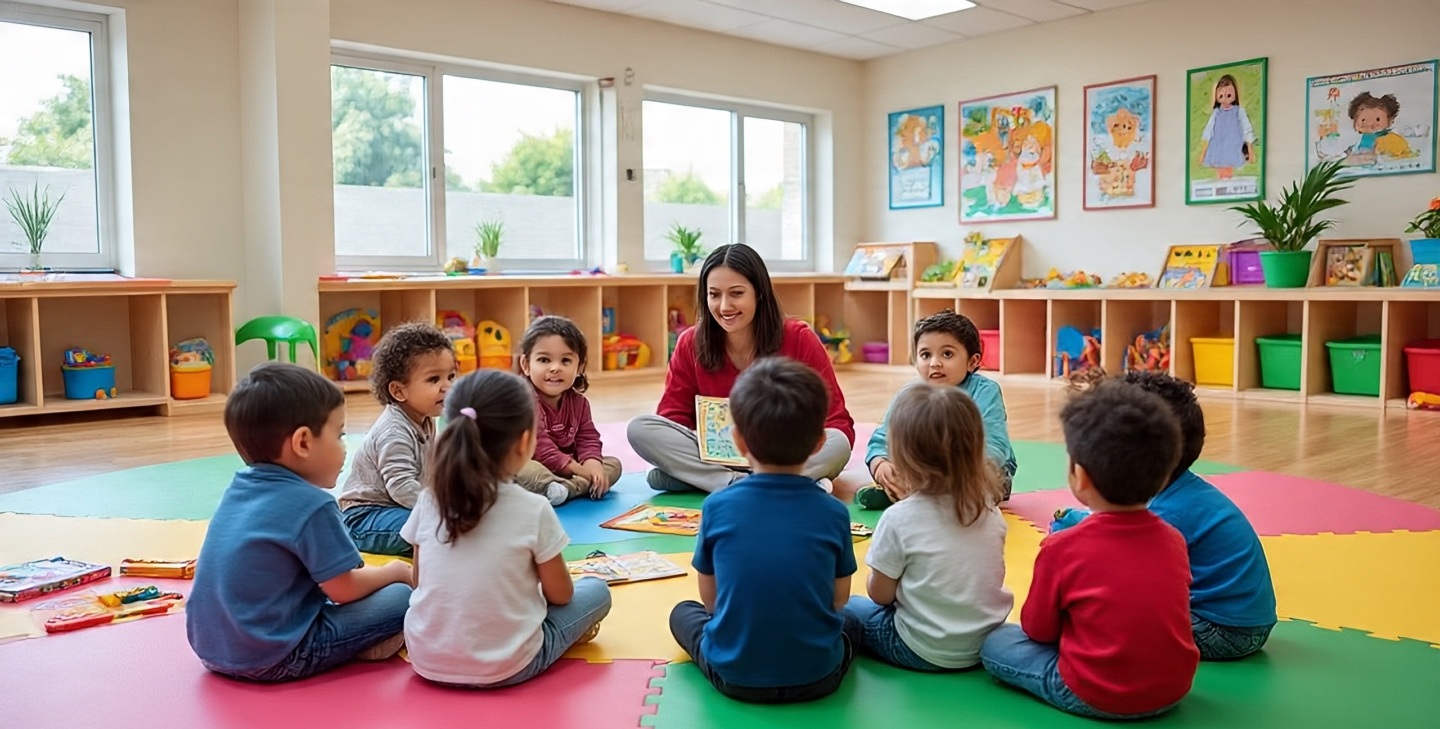
Early Childhood Education
Every child is born with an immense capacity to learn, explore, and grow. The first years of life are not just a stage of physical development but also a critical period for cognitive, emotional, and social growth. Early Childhood Education (ECE) plays a powerful role in shaping how a child perceives the world, interacts with others, and builds the essential foundation for academic achievement and personal well-being.
In today’s world, the importance of ECE cannot be overstated. It is not simply about preparing children for school, but about equipping them with lifelong skills—curiosity, resilience, empathy, communication, and problem-solving—that will guide them far beyond the classroom walls.
This blog takes a comprehensive look at early childhood education, covering its definition, principles, benefits, methodologies, challenges, and the crucial role it plays in a child’s overall development.
What is Early Childhood Education?
Early childhood education refers to structured learning programs and experiences provided to children from birth to around eight years of age. This period is often described as the formative years, where children’s brains develop at a rapid pace. During these years, they absorb knowledge like sponges, shaping not only their academic skills but also their emotional intelligence and social awareness.
ECE is not restricted to formal classrooms; it includes preschool, kindergarten, daycare centers, and even learning activities at home. Play-based learning, storytelling, music, art, and peer interaction are common tools in early education programs.

Why Early Childhood Education Matters
1. Brain Development in Early Years
Research shows that nearly 90% of brain development occurs before the age of five. During this time, neural connections are formed at an astonishing rate. Quality ECE ensures that children receive stimulation that nurtures language skills, memory, creativity, and critical thinking.
2. Social and Emotional Growth
ECE helps children learn how to interact with peers, express emotions appropriately, and build self-confidence. Through group play and guided activities, children learn empathy, cooperation, and conflict resolution.
3. School Readiness
Children who participate in early education programs typically enter primary school with stronger literacy, numeracy, and communication skills. They adapt faster to structured learning environments and exhibit fewer behavioral challenges.
4. Long-Term Benefits
Studies have found that children who attend quality early childhood education are more likely to complete high school, pursue higher education, and enjoy stable careers. They also tend to make healthier lifestyle choices and contribute positively to society.
Core Principles of Early Childhood Education
Successful ECE programs are built on certain universal principles:
- Child-Centered Learning: Recognizing that every child learns at their own pace and has unique strengths.
- Play as a Learning Tool: Play is not just recreation; it’s the most natural way children explore the world.
- Safe and Nurturing Environment: Children thrive in environments where they feel safe, loved, and supported.
- Holistic Development: Programs address physical, cognitive, emotional, and social growth rather than focusing on academics alone.
- Active Family Involvement: Parents and caregivers are vital partners in early learning journeys.
Approaches to Early Childhood Education
There is no one-size-fits-all model of ECE. Different educational philosophies shape how early learning is delivered. Some of the most influential approaches include:
1. Montessori Method
Developed by Dr. Maria Montessori, this approach emphasizes independence, hands-on learning, and respect for a child’s natural curiosity. Children are encouraged to choose activities that interest them, fostering self-discipline and responsibility.
2. Reggio Emilia Approach
Originating in Italy, this philosophy sees children as capable learners who construct their own understanding of the world. Creativity, collaboration, and project-based learning are at its core.
3. Waldorf Education
Founded by Rudolf Steiner, Waldorf focuses on nurturing imagination and creativity. It integrates art, music, and movement into everyday learning, promoting a balance of intellectual and emotional growth.
4. Play-Based Learning
This model highlights the role of play as a powerful driver of learning. Activities are designed to encourage exploration, problem-solving, and experimentation.
5. HighScope Curriculum
Known for its “active participatory learning,” HighScope emphasizes structured daily routines and child-initiated activities, supported by teachers who act as guides.
Benefits of Early Childhood Education
Academic Advantages
- Strong literacy and numeracy skills.
- Better concentration and memory.
- Greater readiness for higher grades.
Social and Emotional Development
- Improved communication and teamwork skills.
- Higher emotional intelligence.
- Reduced behavioral issues in later schooling.
Health and Well-Being
- Early detection of developmental delays or learning difficulties.
- Promotion of healthy eating and physical activity habits.
- Stress management and emotional regulation.
Economic and Societal Impact
ECE is not just beneficial for children—it’s a societal investment. Nations with robust early education systems enjoy lower crime rates, reduced poverty levels, and a stronger workforce in the long term.
Role of Parents and Teachers
Parents as First Educators
Parents are a child’s first and most influential teachers. From bedtime stories to everyday conversations, parents shape language development, values, and emotional security.
Teachers as Guides and Facilitators
ECE teachers are not just instructors; they are facilitators of exploration. They observe, guide, and encourage, tailoring activities to meet each child’s needs. Effective teachers create a nurturing atmosphere where curiosity is celebrated, and mistakes are seen as opportunities for growth.
Challenges in Early Childhood Education
While the benefits are clear, ECE faces several challenges worldwide:
- Access and Affordability: Many families, especially in developing regions, cannot afford quality preschool education.
- Trained Educators Shortage: Skilled teachers are essential, but the profession often faces low wages and high turnover rates.
- Unequal Quality: Not all preschools maintain consistent standards, leading to uneven outcomes.
- Technology Concerns: Balancing screen time with hands-on learning is becoming increasingly complex in the digital age.
- Cultural Differences: ECE programs need to respect cultural values and practices while promoting universal developmental goals.
The Future of Early Childhood Education
The landscape of ECE is evolving with modern innovations:
- Technology Integration: Smart tools, interactive apps, and digital storytelling are reshaping how children engage with learning.
- Inclusive Education: Focus on integrating children with disabilities into mainstream classrooms.
- Global Awareness: Teaching empathy, cultural diversity, and environmental consciousness from an early age.
- Parental Empowerment: More emphasis on training parents to actively participate in their children’s educational journeys.
- Holistic Models: Combining traditional practices with modern psychology and neuroscience research.
How to Support Early Childhood Education
Individuals and communities can strengthen ECE in many ways:
- Government Support: Advocacy for policies that fund preschools, teacher training, and affordable childcare.
- Community Programs: Libraries, community centers, and NGOs can provide supplementary early learning resources.
- Parental Engagement: Parents can create stimulating home environments with books, puzzles, music, and open conversations.
- Corporate Involvement: Businesses can sponsor childcare initiatives, supporting working parents.
Conclusion
Early childhood education is not a luxury—it is a necessity. The experiences a child gains in their first years lay the foundation for future success in academics, relationships, and personal growth. By prioritizing early learning, society invests in a brighter, more resilient, and more compassionate future.
As parents, teachers, policymakers, and communities, we all share the responsibility of ensuring that every child receives the opportunity to grow, learn, and thrive during their most formative years. Because when we nurture children today, we shape the future of tomorrow.
Frequently Asked Questions (FAQs)
Early childhood education (ECE) refers to structured learning and developmental programs for children from birth to around eight years of age. It focuses on nurturing cognitive, emotional, social, and physical growth through play, exploration, and guided activities.
ECE is important because the first years of life are when most brain development occurs. Quality early education helps children build foundational skills like language, problem-solving, and social interaction, which directly influence their academic success and personal growth later in life.
Children can benefit from early education as early as infancy through age five. Programs such as daycare, nursery, and preschool typically cater to children between 2 and 5 years, preparing them for kindergarten and primary school.
ECE prepares children for school by teaching basic literacy and numeracy, encouraging social interaction, and introducing them to structured routines. Children who attend early education programs often enter school with better communication skills, confidence, and adaptability.
Some popular approaches include:
Montessori Method (child-led, hands-on learning)
Reggio Emilia (project-based, creativity-focused)
Waldorf Education (imagination and holistic growth)
Play-Based Learning (exploration through play)
HighScope Curriculum (structured routines with active participation)
Parents can support ECE by:
Reading regularly to children
Encouraging play-based learning
Providing puzzles, books, and creative tools
Talking and listening to children often
Creating a safe, nurturing environment
Children develop a wide range of skills, including:
Cognitive skills: problem-solving, memory, and reasoning
Social skills: cooperation, sharing, and teamwork
Language skills: vocabulary, communication, and expression
Emotional skills: empathy, resilience, and self-regulation
No. ECE goes beyond academics—it focuses on holistic development. Alongside early reading and math skills, it nurtures emotional intelligence, creativity, physical growth, and social interaction, all of which are essential for lifelong success.
Some challenges include affordability, lack of trained teachers, inconsistent quality among programs, and balancing technology use with traditional learning methods. Access remains limited in many communities worldwide.
The future of ECE will see greater use of technology, inclusive classrooms for all abilities, stronger parental involvement, and teaching global awareness from an early age. Holistic and child-centered models are expected to gain more prominence.
