
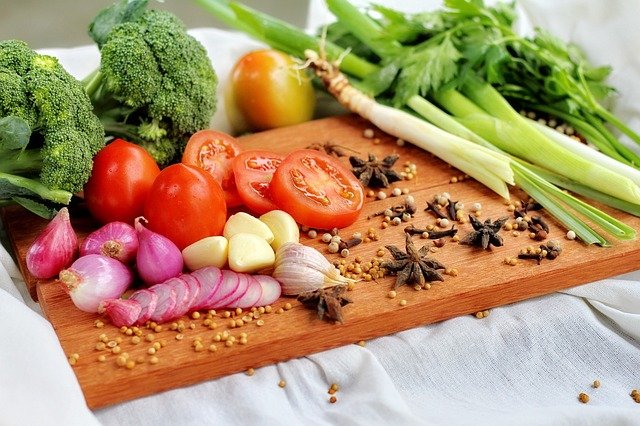
Vegetarian Recipes
Food is not just about filling the stomach—it is about culture, nourishment, creativity, and joy. Vegetarian recipes embody all these qualities, presenting an endless world of flavors, textures, and colors without relying on meat or fish. From traditional heritage dishes to innovative modern twists, vegetarian cuisine proves that plant-based eating can be just as satisfying, hearty, and diverse as any other diet.
The appeal of vegetarian recipes lies in their adaptability. Whether you are looking for quick weekday meals, gourmet dishes for entertaining, or nutrient-packed options for a healthier lifestyle, vegetarian cooking has it all. In this blog, we will explore the essence of vegetarianism, pantry essentials, cooking techniques, meal plans, global influences, and of course, a rich collection of recipe ideas that bring vibrancy to every dining table.
The Essence of Vegetarian Cooking
Vegetarian cooking is rooted in the simple philosophy of celebrating plant-based foods. Instead of focusing on what is excluded (meat, poultry, or fish), vegetarian cuisine highlights what is included—vegetables, grains, legumes, fruits, nuts, and dairy (depending on type of vegetarianism).
Across civilizations, vegetarianism has been practiced for religious, ethical, health, and environmental reasons. In India, for example, vegetarianism is deeply tied to cultural and spiritual practices. In the Mediterranean, plant-based meals like falafel, hummus, and vegetable stews have been staples for centuries. Modern lifestyles have redefined vegetarianism not just as a diet but as a sustainable, health-conscious way of living.
Types of Vegetarian Diets
Vegetarianism is not one-size-fits-all. There are several variations:
-
Lacto-Vegetarian – Includes dairy products but excludes eggs, meat, and fish.
-
Ovo-Vegetarian – Includes eggs but excludes dairy, meat, and fish.
-
Lacto-Ovo Vegetarian – Includes both dairy and eggs but avoids meat and fish.
-
Vegan – Excludes all animal-derived products, including dairy, honey, and eggs.
-
Flexitarian – Primarily vegetarian but occasionally includes meat or fish.
This flexibility allows individuals to choose what works best for their lifestyle and values.
Health Benefits of Vegetarian Recipes
Vegetarian meals are naturally rich in vitamins, minerals, fiber, and antioxidants. Some proven benefits include:
-
Heart Health: Lower cholesterol and reduced risk of cardiovascular diseases.
-
Weight Management: Plant-based diets are often lower in calories and fats.
-
Digestive Wellness: High fiber supports healthy digestion and gut microbiome.
-
Longevity: Many studies link plant-based eating to longer life expectancy.
-
Energy Boost: Nutrient-dense meals keep energy levels steady throughout the day.
Pantry Essentials for Vegetarian Cooking
Before diving into recipes, it is important to create a well-stocked vegetarian pantry:
-
Grains: Quinoa, oats, rice, bulgur, millet, barley.
-
Legumes: Lentils, chickpeas, black beans, kidney beans, peas.
-
Vegetables: Leafy greens, root vegetables, cruciferous vegetables, seasonal produce.
-
Fruits: Fresh, dried, and frozen fruits for snacks and desserts.
-
Dairy Alternatives: Almond milk, soy milk, oat milk, vegan cheese.
-
Plant Proteins: Tofu, tempeh, paneer, seitan.
-
Nuts & Seeds: Cashews, walnuts, almonds, chia seeds, flaxseeds, sunflower seeds.
-
Spices & Herbs: Cumin, coriander, turmeric, cinnamon, rosemary, basil, thyme.
-
Condiments: Soy sauce, tahini, olive oil, vinegar, nutritional yeast.
Vegetarian Breakfast Recipes
1. Veggie-Packed Chickpea Pancakes
Made with chickpea flour, onions, tomatoes, and spinach, these savory pancakes are protein-rich and satisfying.
2. Avocado Smoothie Bowl
A blend of avocado, banana, and spinach topped with granola, chia seeds, and berries makes a refreshing, energy-boosting breakfast.
3. Tofu Scramble
A plant-based twist on scrambled eggs. Crumbled tofu sautéed with turmeric, bell peppers, and onions creates a vibrant, protein-packed dish.
4. Sweet Potato Hash
Diced sweet potatoes roasted with onions, peppers, and herbs offer a warm, hearty morning option.
5. Overnight Oats with Fruits
Rolled oats soaked in almond milk overnight, topped with fresh berries, nuts, and cinnamon, make a quick grab-and-go breakfast.
Vegetarian Lunch Recipes
1. Mediterranean Buddha Bowl
Quinoa, roasted chickpeas, hummus, cucumbers, olives, and tomatoes in a single bowl create a balanced meal full of flavors.
2. Grilled Veggie Wraps
Tortillas filled with grilled zucchini, eggplant, bell peppers, and feta cheese, drizzled with yogurt sauce.
3. Lentil and Spinach Soup
A simple, earthy soup made with red lentils, garlic, carrots, and spinach, perfect for cooler days.
4. Veggie Burger
Black beans, oats, and spices combined into patties, grilled, and served with lettuce, tomato, and whole-grain buns.
5. Stuffed Bell Peppers
Colorful peppers filled with rice, corn, beans, and cheese, then baked until tender.
Vegetarian Dinner Recipes
1. Chickpea Curry with Rice
Chickpeas simmered in a tomato-onion gravy spiced with cumin, coriander, and turmeric. Served over steamed rice.
2. Vegetable Lasagna
Layers of pasta, ricotta, spinach, zucchini, and marinara sauce baked into a cheesy, comforting dish.
3. Mushroom Risotto
Creamy Italian-style risotto cooked with vegetable broth, garlic, mushrooms, and a hint of parmesan.
4. Thai Green Curry
A coconut milk-based curry with tofu, green beans, eggplant, and aromatic herbs.
5. Stir-Fried Tofu and Vegetables
Tofu cubes and seasonal vegetables tossed in soy-ginger sauce, served with noodles or rice.
Vegetarian Snacks and Appetizers
-
Falafel with Tahini Sauce
-
Vegetable Spring Rolls
-
Hummus and Pita Bread
-
Caprese Salad Skewers
-
Baked Zucchini Fries
Vegetarian Desserts
-
Carrot Halwa – An Indian delicacy with grated carrots, milk, and cardamom.
-
Banana Bread – Moist bread with walnuts and cinnamon.
-
Chia Pudding – Chia seeds soaked in coconut milk with honey and mango topping.
-
Apple Crisp – Baked apples with oats and nut topping.
-
Vegan Chocolate Mousse – Made with avocado, cocoa, and maple syrup.
Global Vegetarian Recipes
Indian Cuisine
-
Paneer Butter Masala
-
Vegetable Biryani
-
Aloo Gobi (Potato & Cauliflower Curry)
-
Dal Tadka (Lentils with Tempered Spices)
Mediterranean Cuisine
-
Ratatouille
-
Greek Spanakopita
-
Falafel Wraps
-
Lentil Salad
Asian Cuisine
-
Vegetarian Sushi Rolls
-
Mapo Tofu (Vegetarian Style)
-
Thai Pad See Ew with Vegetables
-
Korean Bibimbap
Vegetarian Meal Prep Ideas
-
Cook big batches of grains and beans at the start of the week.
-
Pre-chop vegetables and store in airtight containers.
-
Make sauces (pesto, tahini, peanut sauce) in advance.
-
Prepare snack boxes with nuts, fruits, and roasted chickpeas.
-
Store smoothie packs in the freezer for quick blending.
Weekly Vegetarian Meal Plan
Monday: Breakfast – Overnight oats | Lunch – Buddha bowl | Dinner – Chickpea curry
Tuesday: Breakfast – Smoothie bowl | Lunch – Veggie wraps | Dinner – Risotto
Wednesday: Breakfast – Tofu scramble | Lunch – Lentil soup | Dinner – Lasagna
Thursday: Breakfast – Chickpea pancakes | Lunch – Stuffed peppers | Dinner – Thai curry
Friday: Breakfast – Avocado toast | Lunch – Veggie burger | Dinner – Stir-fry
Saturday: Breakfast – Banana bread | Lunch – Falafel wraps | Dinner – Biryani
Sunday: Breakfast – Pancakes with fruit | Lunch – Ratatouille | Dinner – Bibimbap
Tips for Cooking Vegetarian Recipes
-
Use seasonal produce for the best flavor and nutrition.
-
Combine legumes and grains for complete proteins.
-
Don’t shy away from spices—they make vegetarian dishes exciting.
-
Experiment with textures—roasted veggies, crispy tofu, creamy sauces.
-
Balance meals with proteins, healthy fats, and carbs.
Conclusion
Vegetarian recipes are a celebration of diversity, nourishment, and sustainability. From quick breakfasts to elaborate dinners, from comforting stews to refreshing salads, vegetarian meals can be tailored for every taste and lifestyle.
By exploring global cuisines, experimenting with spices, and stocking a versatile pantry, you can transform your kitchen into a hub of plant-based creativity. Whether you are a lifelong vegetarian or simply looking to add more plant-forward meals to your diet, this guide shows that vegetarian cooking is anything but boring—it is colorful, healthy, and absolutely delicious.
Frequently Asked Questions (FAQs)
Vegetarian recipes mainly use vegetables, fruits, grains, legumes, nuts, seeds, dairy, and plant-based proteins like tofu, tempeh, or paneer. Herbs and spices also play a vital role in enhancing flavors.
Protein comes from sources like lentils, beans, chickpeas, tofu, quinoa, tempeh, nuts, seeds, eggs (if included), and dairy products. Combining legumes with grains, such as rice and beans, helps form complete proteins.
Yes, vegetarian meals are often rich in fiber and low in unhealthy fats, making them excellent for weight management. Choosing whole foods like vegetables, lentils, and whole grains helps you stay full longer while keeping calories in check.
Absolutely. Dishes like stir-fries, salads, lentil soups, grain bowls, and wraps can be prepared in under 30 minutes. Prepping ingredients in advance also saves time during the week.
Yes, many vegetarian meals can be tailored for children by making them colorful, mild in spices, and fun to eat. Examples include veggie pasta, cheesy quesadillas, fruit smoothies, and homemade veggie nuggets.
India: Vegetable biryani, paneer butter masala, dal.
Mediterranean: Falafel, hummus, ratatouille.
Asia: Vegetarian sushi rolls, Thai green curry, stir-fried noodles.
Western Cuisine: Veggie burgers, lasagna, stuffed peppers.
Yes, vegetarian diets often cost less than meat-based diets. Staples like beans, rice, potatoes, lentils, and seasonal vegetables are affordable and versatile for creating nutritious meals.
Some easy vegetarian snacks include roasted chickpeas, hummus with veggies, fruit salads, yogurt with granola, trail mix, and baked vegetable chips.
Yes, iron can be obtained from spinach, lentils, chickpeas, pumpkin seeds, quinoa, and fortified cereals. Pairing iron-rich foods with vitamin C sources (like citrus or tomatoes) improves absorption.
Definitely. Many vegetarian dishes naturally avoid gluten, especially those made with rice, quinoa, lentils, beans, and fresh vegetables. Gluten-free grains and flours can be used to adapt traditional recipes.
