
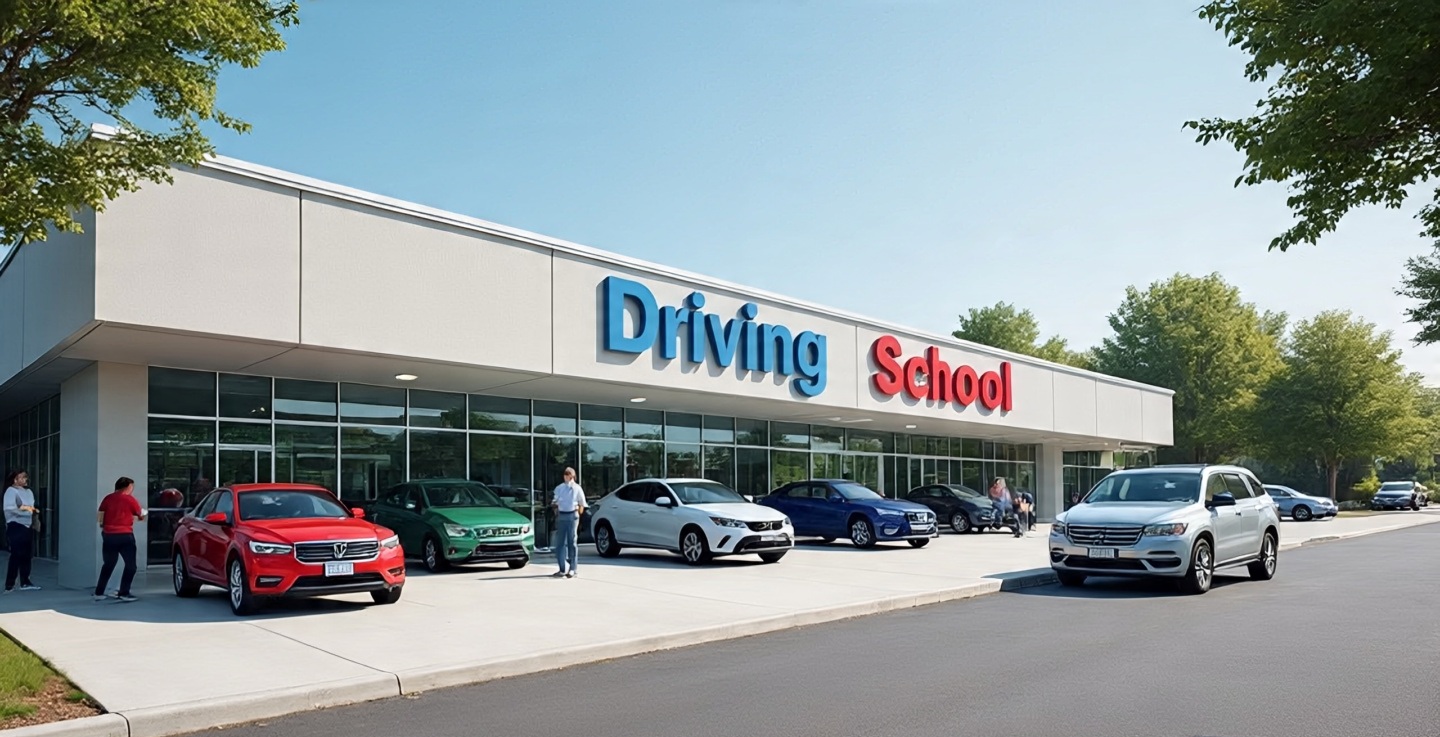
Driving Schools in USA
Driving in the United States is more than just a way to get from one place to another—it’s a symbol of freedom, independence, and opportunity. Whether you’re a teenager eager to earn your first license, an adult ready to gain confidence behind the wheel, or someone pursuing a career in commercial driving, enrolling in a driving school is the first step toward safe and responsible driving.
The Importance of Driving Schools
Driving may look simple from the passenger seat, but it requires skill, focus, and knowledge of the law. Every year, thousands of accidents happen due to distracted driving, speeding, or simply lack of experience. Driving schools help reduce these risks by:
- Teaching the rules of the road, traffic laws, and state-specific regulations
- Building defensive driving habits to avoid accidents
- Preparing students for written knowledge and road tests
- Offering supervised practice in real-world conditions
- Boosting confidence for new and nervous drivers
Unlike learning casually from family or friends, professional driving schools provide structured lessons, certified instructors, and safety-focused training that prepare drivers for a lifetime of safe habits.
Types of Driving Schools in the USA
Not all learners have the same needs, which is why different types of driving schools exist across the country.
1. Teen Driver Education
For many teenagers, driving school is their introduction to independence. Teen-focused schools provide classroom sessions on traffic laws, road signs, and safety practices, along with behind-the-wheel lessons. Many states require teenagers to complete such courses before applying for a full license.
2. Adult Driving Lessons
Adults who never learned to drive, or who feel nervous behind the wheel, can benefit from adult driving programs. These schools are flexible, offering evening or weekend lessons to fit into busy schedules.
3. Defensive Driving Schools
Defensive driving is about more than obeying traffic laws—it’s about anticipating hazards, avoiding risky situations, and staying calm under pressure. Many drivers take these courses voluntarily to improve their skills, while others complete them to lower insurance premiums or dismiss traffic tickets.
4. Commercial Driving Schools (CDL Programs)
The trucking and logistics industry is the backbone of the U.S. economy. CDL schools train drivers to operate trucks, buses, and other commercial vehicles. Students learn vehicle inspection, cargo handling, safety regulations, and advanced driving techniques. A CDL license often leads to stable, high-paying careers.
5. Online Driving Schools
With the rise of digital learning, many states allow the classroom portion of driver’s education to be completed online. Students can study traffic laws, rules, and safe driving practices at their own pace before scheduling practical lessons behind the wheel.
What Makes a Good Driving School?
Not all schools are created equal. Here are some features that set the best apart:
- Certified Instructors: Trained professionals who know both the laws and how to teach effectively.
- Safety-Focused Vehicles: Dual-control cars that allow instructors to take control in emergencies.
- Flexible Schedules: Options for evenings, weekends, or intensive fast-track programs.
- Balanced Curriculum: A mix of classroom instruction, simulations, and real driving practice.
- Reputation: Positive reviews and recognition from the state’s Department of Motor Vehicles (DMV).
Costs of Driving Schools in the USA
Pricing varies depending on the location, type of program, and duration of training. On average:
- Teen Driving Schools: $300–$600 for full classroom + behind-the-wheel programs
- Adult Lessons: $50–$100 per hour, depending on the city
- Defensive Driving Courses: $25–$75, often available online
- CDL Training Programs: $3,000–$7,000, sometimes covered by employers who sponsor training
While the upfront cost may seem high, completing driving school can save money in the long run by reducing insurance premiums, avoiding traffic violations, and preventing accidents.
Benefits of Attending Driving School
1. Confidence and Safety
Beginners often feel nervous, but professional training helps overcome fear. Confidence is built gradually with step-by-step guidance.
2. Lower Insurance Costs
Many insurance providers offer discounts to drivers who have completed state-approved driver education or defensive driving courses.
3. Ticket Dismissal
In several states, completing a defensive driving course can dismiss a traffic ticket or reduce penalty points on your license.
4. Career Opportunities
For CDL graduates, driving school opens doors to well-paying jobs in logistics, trucking, and public transport.
5. Lifelong Habits
Driving school doesn’t just help you pass the test—it teaches habits that keep you and others safe for life.
State Differences in Driving Education
The USA is large, and every state sets its own requirements for licensing and driver’s education. For example:
- California requires new drivers under 18 to complete a driver’s education course and behind-the-wheel training.
- New York requires all drivers to complete a 5-hour pre-licensing course before scheduling a road test.
- Texas offers Parent-Taught Driver Education, where parents can act as instructors using state-approved curriculum.
- Florida requires all first-time drivers to complete a drug and alcohol awareness course before getting a permit.
Because rules vary, it’s important for students to choose a school that is approved by their state DMV.
The Role of Technology in Driving Schools
Modern driving schools are embracing technology to make learning more effective:
- Driving Simulators: Allow students to practice in virtual environments before hitting real roads.
- Mobile Apps: Help learners study road signs, take practice tests, and track progress.
- Virtual Reality (VR): Some schools use VR to simulate hazardous conditions like heavy rain or icy roads.
- Online Scheduling: Students can book lessons, track hours, and communicate with instructors easily.
How to Choose the Right Driving School
When searching for a school, consider these steps:
- Check Accreditation: Make sure the school is licensed by your state DMV.
- Compare Prices: Balance affordability with quality instruction.
- Read Reviews: Look for testimonials from past students.
- Ask About Vehicles: Ensure cars are modern, safe, and well-maintained.
- Evaluate Instructors: Friendly, patient instructors make a huge difference for beginners.
The Future of Driving Education in the USA
As technology evolves, driving schools will continue to adapt. Self-driving cars may dominate the future, but human drivers will still need training for years to come. Schools are likely to focus more on defensive driving, eco-friendly habits, and advanced safety systems as vehicles become more complex.
Additionally, the trucking industry will keep driving demand for CDL training, while online learning will continue to grow in popularity for theory-based lessons.
Final Thoughts
Driving is more than a skill—it’s a responsibility. The right training can mean the difference between safe travel and risky mistakes. Driving schools in the USA provide structured, professional, and confidence-building education that benefits teens, adults, and professionals alike.
Whether you’re preparing for your first license, seeking safer driving habits, or aiming for a career behind the wheel, enrolling in a driving school is an investment in your freedom and safety.
FAQs
Most states allow teens to begin driver’s education at 15 or 16. However, requirements vary by state, so it’s important to check with your local DMV.
The duration depends on the program. Teen driver’s education usually includes 30–40 hours of classroom study and 6–12 hours of behind-the-wheel training. Adult lessons can be scheduled by the hour, while CDL training may take 4–12 weeks.
Not always. Some states require mandatory driver’s education for teens, but adults may simply pass the written and road tests. Still, driving school greatly increases your chances of passing on the first try.
Yes! Many states now allow the classroom portion of driver’s ed to be completed online. However, behind-the-wheel training must still be done in person with a certified instructor.
On average, teen driver’s ed costs $300–$600, adult driving lessons range $50–$100 per hour, defensive driving is $25–$75, and CDL training can cost $3,000–$7,000.
Yes. Many insurance companies offer discounts for drivers who have completed state-approved driver’s education or defensive driving programs.
Defensive driving teaches strategies to anticipate hazards, avoid accidents, and stay safe in difficult conditions. It’s recommended for new drivers, drivers with traffic violations, and anyone wanting to improve safety and lower insurance premiums.
Some schools allow this if the car is insured and meets safety standards, but most prefer students to use school-provided vehicles equipped with dual controls for safety.
Absolutely. With a Commercial Driver’s License, you can qualify for well-paying jobs in trucking, logistics, and public transport. Many companies even sponsor training for new drivers.
Check for state accreditation, certified instructors, modern vehicles, flexible scheduling, and positive student reviews. A good driving school should balance safety, affordability, and effective teaching.
