
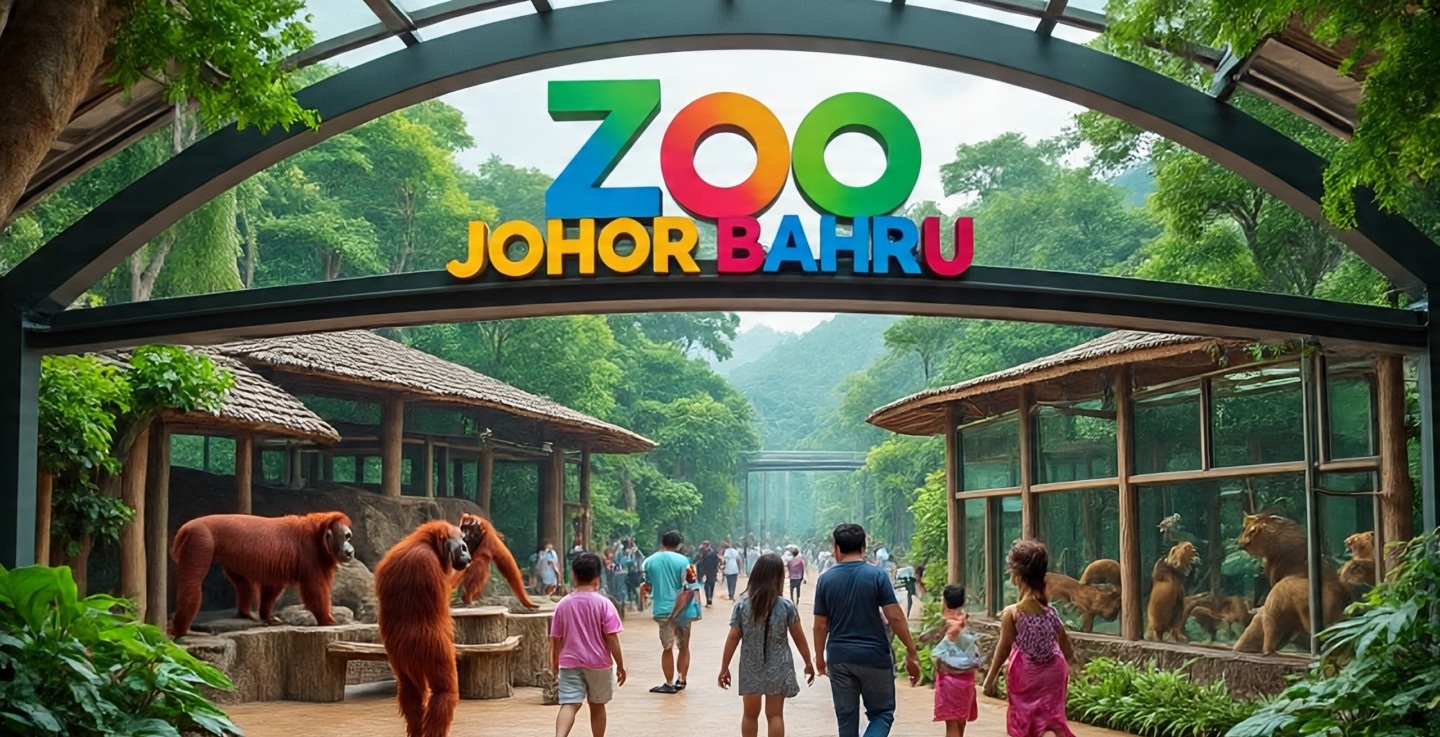
Zoo Johor Bahru
When exploring Malaysia, travelers often think of Kuala Lumpur, Penang, or Langkawi. Yet, just across the southern border of Malaysia lies a gem for wildlife lovers – Zoo Johor Bahru. Located in the vibrant city of Johor Bahru, this zoo offers an immersive wildlife experience that is both educational and fun for the entire family.
Established decades ago, Zoo Johor Bahru is one of the oldest and most beloved zoos in Malaysia, blending entertainment, conservation, and education. Visitors can encounter a diverse range of exotic and native animals, enjoy interactive experiences, and explore lush green landscapes that feel like a natural habitat.
Whether you are a local resident, a tourist from Singapore, or an international traveler, Zoo Johor Bahru promises an unforgettable journey into the animal kingdom.
History and Background
Zoo Johor Bahru was founded in the 1920s as part of Malaysia’s early efforts to promote wildlife preservation and education. Initially a small collection of animals, the zoo has grown over the years into a full-fledged wildlife attraction.
The zoo has always focused on creating an interactive experience where visitors not only observe animals but also learn about their behavior, habitats, and conservation needs. Over time, it has introduced modernized enclosures, educational programs, and specialized feeding sessions to engage visitors of all ages.
Today, the zoo stands as a cultural and ecological landmark in Johor Bahru, drawing locals, tourists, and school groups year-round.
Location and Accessibility
Zoo Johor Bahru is located within the heart of Johor Bahru, making it easy to reach from both Malaysia and Singapore.
- From Johor Bahru city center: Approximately 15–20 minutes by car.
- From Singapore: Around 45–60 minutes via the Causeway.
- Public Transport: Buses and taxis serve the area regularly.
- Parking Facilities: Ample parking space is available for both private cars and tour buses.
Its central location ensures that visiting the zoo can be combined with other Johor Bahru attractions, making it a perfect day-trip destination.
Zoo Layout and Design
Zoo Johor Bahru is carefully designed to allow visitors to explore different zones that mimic natural habitats. The zoo is divided into sections based on species and region, creating a seamless flow for visitors:
- African Savannah Zone – Featuring lions, zebras, giraffes, and other African mammals.
- Malaysian Rainforest Section – Home to local species like tapirs, hornbills, and Malayan tigers.
- Reptile House – Snakes, lizards, and crocodiles in controlled environments.
- Aviary Section – Walk-through areas with tropical birds and flamingos.
- Petting and Children’s Zone – Interactive spaces where kids can feed and touch friendly animals.
Each section is landscaped with greenery, water features, and shaded paths, ensuring both animal welfare and a pleasant visitor experience.
Animal Exhibits
Mammals
Zoo Johor Bahru houses a wide range of mammals, including both exotic and local species. Visitors can see lions, tigers, elephants, orangutans, monkeys, deer, and tapirs. One of the zoo’s highlights is the Malayan tiger, a symbol of wildlife conservation in Malaysia.
Birds
The aviary section is home to parrots, flamingos, peacocks, hornbills, and exotic tropical birds. Walk-through aviaries allow visitors to experience these colorful creatures up close, creating unforgettable photo opportunities.
Reptiles
The reptile house offers a thrilling experience with snakes, crocodiles, tortoises, and lizards. Informative boards teach visitors about their behaviors, diet, and role in the ecosystem.
Amphibians and Aquatic Life
The zoo also features sections dedicated to amphibians and aquatic species, including frogs, turtles, and fish native to Malaysian rivers. These exhibits educate visitors about the delicate balance of wetland ecosystems.
Endangered Species
Zoo Johor Bahru plays an important role in conservation programs. It hosts endangered species such as Malayan tigers, Sumatran orangutans, and Asian elephants, often participating in breeding programs to help secure their future.
Conservation Efforts
Beyond being a tourist attraction, Zoo Johor Bahru actively contributes to wildlife conservation:
- Endangered species breeding programs: Helping to increase populations of threatened animals.
- Wildlife education programs: Schools and community groups learn about animal protection and responsible tourism.
- Habitat simulation: The zoo designs enclosures to mimic natural habitats, reducing animal stress and encouraging natural behaviors.
- Research collaborations: Partnerships with local and international wildlife organizations.
These initiatives position Zoo Johor Bahru as both an entertaining and educational destination.
Educational Programs
Zoo Johor Bahru offers numerous interactive learning opportunities:
- Guided tours for school groups and tourists.
- Feeding sessions where visitors learn about the animals’ diet.
- Wildlife talks and presentations by zookeepers.
- Interactive workshops for children to understand conservation.
Families particularly enjoy the Children’s Petting Zone, where kids can feed goats, rabbits, and sheep while learning about animal care.
Visitor Facilities and Amenities
Zoo Johor Bahru ensures a comfortable experience with a wide range of facilities:
- Restaurants and Cafeterias – Offering local and international snacks.
- Picnic Areas – Shaded zones for relaxation.
- Souvenir Shops – Wildlife-themed gifts and toys.
- Restrooms and Prayer Rooms – Clean and conveniently located.
- Wheelchair Accessibility – Enclosures and paths are accessible to all visitors.
- First Aid and Security – Ensuring visitor safety.
These facilities make the zoo suitable for day-long visits for families, school trips, and tourists.
Tickets and Entry Fee
Zoo Johor Bahru is affordable and family-friendly:
- Adults: Approximately RM 15–20
- Children: RM 10–15
- Group and school discounts: Available on request
- Special packages: Often offered for feeding sessions and guided tours
Affordable entry ensures that everyone can enjoy the zoo, making it a popular destination among locals and tourists alike.
Best Time to Visit
The ideal time to visit Zoo Johor Bahru is during Malaysia’s dry season, from March to September, when the weather is pleasant and animal activity is high.
- Morning visits: Ideal for observing animals when they are most active.
- Evening visits: Perfect for cooler weather and family outings.
- Avoid rainy days: Some outdoor exhibits may be temporarily closed during heavy rainfall.
Nearby Attractions
Zoo Johor Bahru is located near several other popular attractions:
- Legoland Malaysia – A short drive away, perfect for families.
- Johor Bahru City Square – Shopping and dining hub.
- Danga Bay – Waterfront promenade and entertainment area.
- Arulmigu Sri Rajakaliamman Glass Temple – Cultural attraction nearby.
Visitors can easily combine a day at the zoo with other Johor Bahru attractions, creating a full-day itinerary.
Future Developments
Zoo Johor Bahru is continuously improving its facilities and animal care programs:
- Expanding interactive zones for children.
- Upgrading enclosures to simulate natural habitats more closely.
- Implementing eco-friendly and sustainable practices.
- Hosting more educational workshops and conservation campaigns.
These developments ensure that the zoo remains a leading wildlife and family destination in Malaysia.
Conclusion
Zoo Johor Bahru is a must-visit destination for wildlife enthusiasts, families, and tourists. With its diverse animal collection, engaging activities, and conservation-focused programs, the zoo offers more than just a day out – it provides an educational and unforgettable experience.
From walking among exotic birds to observing Malayan tigers and interacting with friendly farm animals, every visitor leaves with a deeper appreciation for wildlife and nature.
If you are planning a trip to Johor Bahru or visiting from Singapore, Zoo Johor Bahru should be at the top of your itinerary. It’s where adventure, learning, and family fun come together under one roof.
FAQs
Zoo Johor Bahru features lions, tigers, elephants, orangutans, zebras, flamingos, reptiles, and other exotic and native species.
The zoo is typically open daily, with morning and evening sessions. Timings may vary, so check the official schedule before visiting.
Tickets are affordable: adults around RM 15–20, children RM 10–15, with discounts for groups and school trips.
Yes, with interactive petting zones, playgrounds, and educational workshops, it’s perfect for children and family visits.
It’s approximately a 45–60 minute drive via the Causeway. Taxis and buses are also convenient options.
Visit during Malaysia’s dry season, from March to September, for pleasant weather and active animal viewing.
